

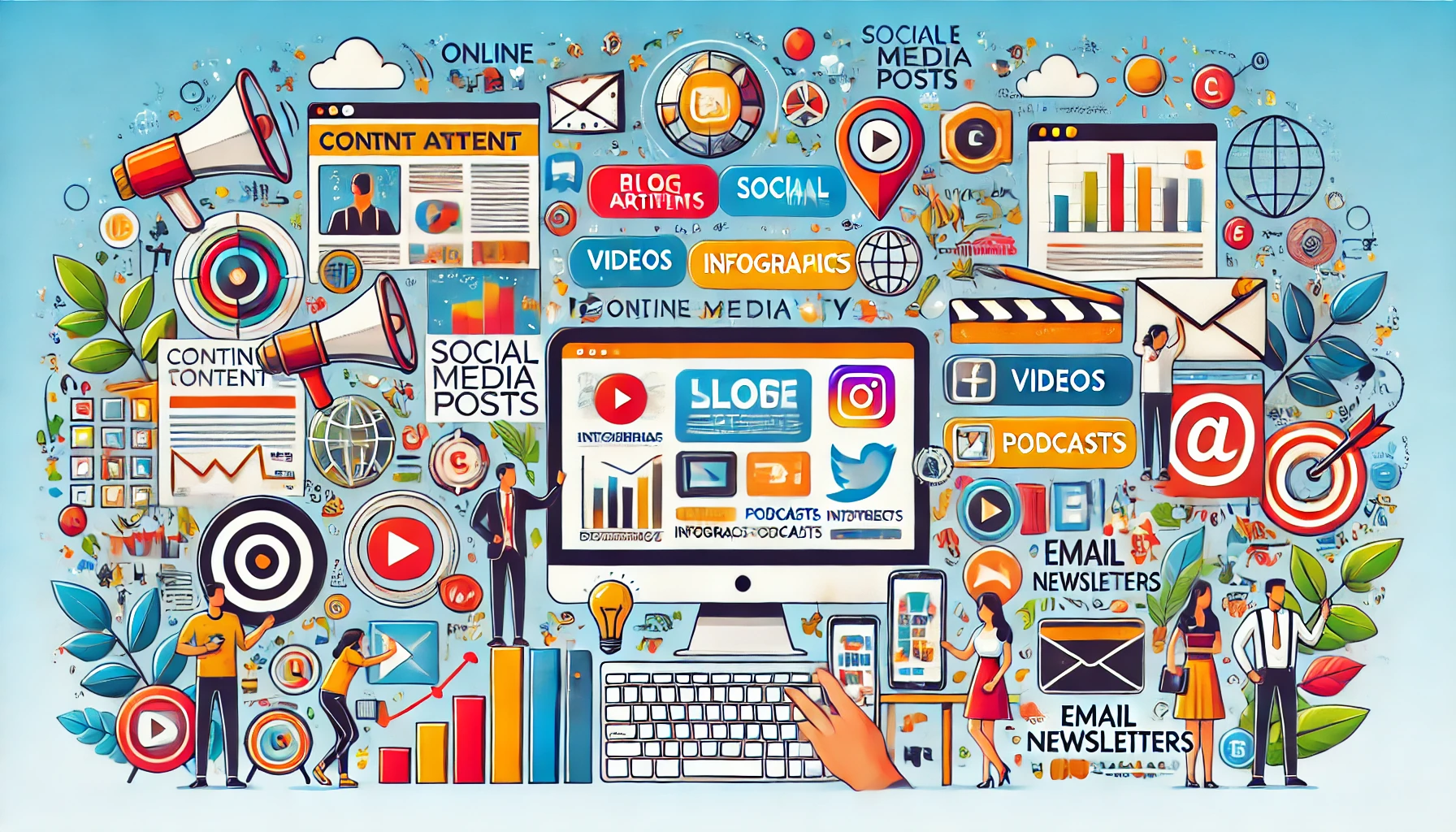
In today’s digital era, brand promotion is more critical than ever. An effective online presence can elevate a brand's visibility, attract new customers, and build lasting relationships. However, creating the right type of content is essential to make a strong impression and establish authority in your niche. Let’s explore the various types of content that work best for online brand promotion.
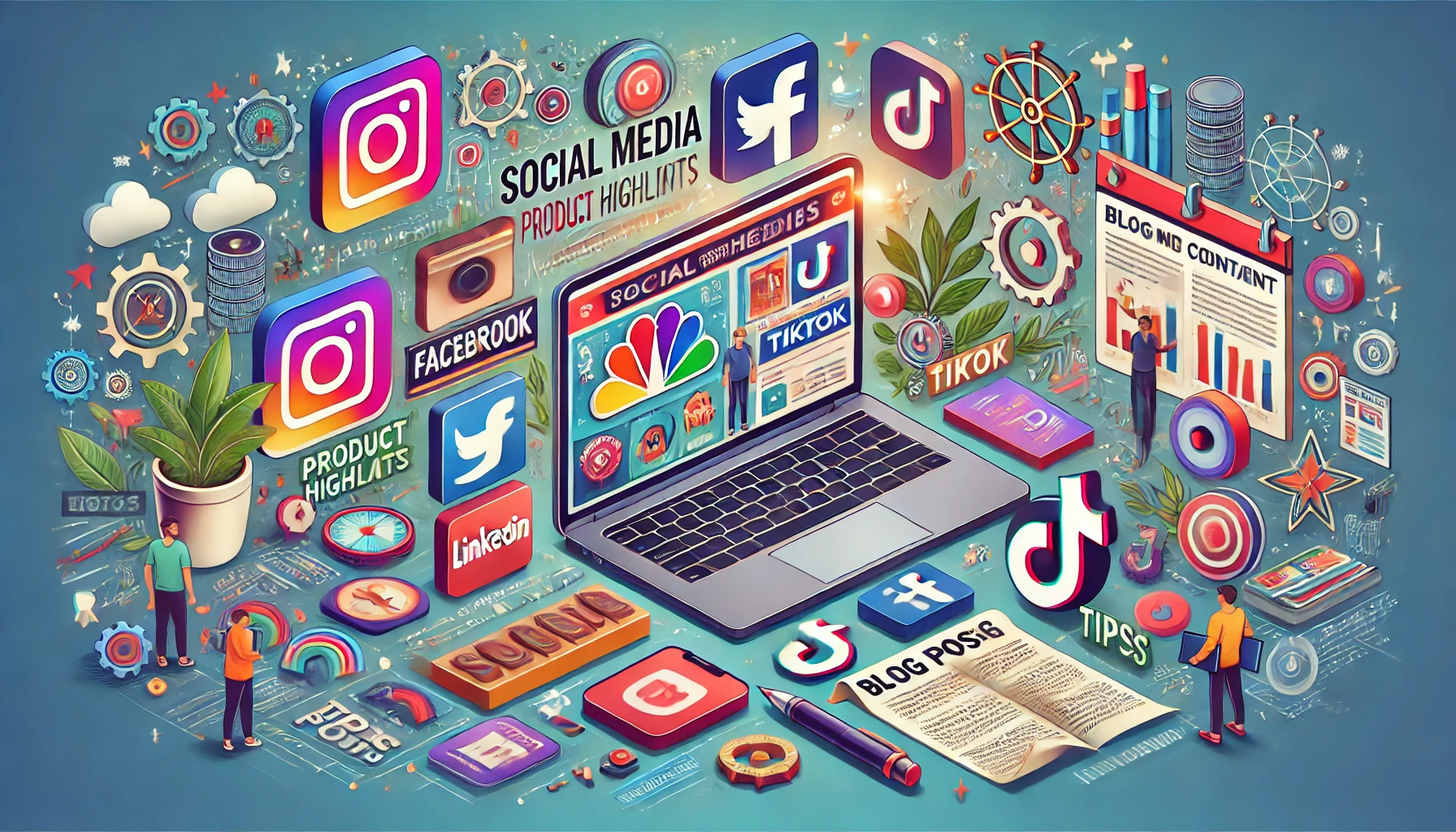
Social media posts are a cornerstone of online branding. Platforms like Instagram, Facebook, LinkedIn, and TikTok offer opportunities to connect with audiences through engaging visuals and interactive features. Brands can create product highlights, behind-the-scenes reels, and trendy memes to capture attention and foster engagement. In addition to social media, blog posts and articles can be used to educate or entertain audiences. Well-researched and SEO-friendly blogs drive organic traffic while providing valuable insights, such as tips or tutorials, related to the brand’s industry.
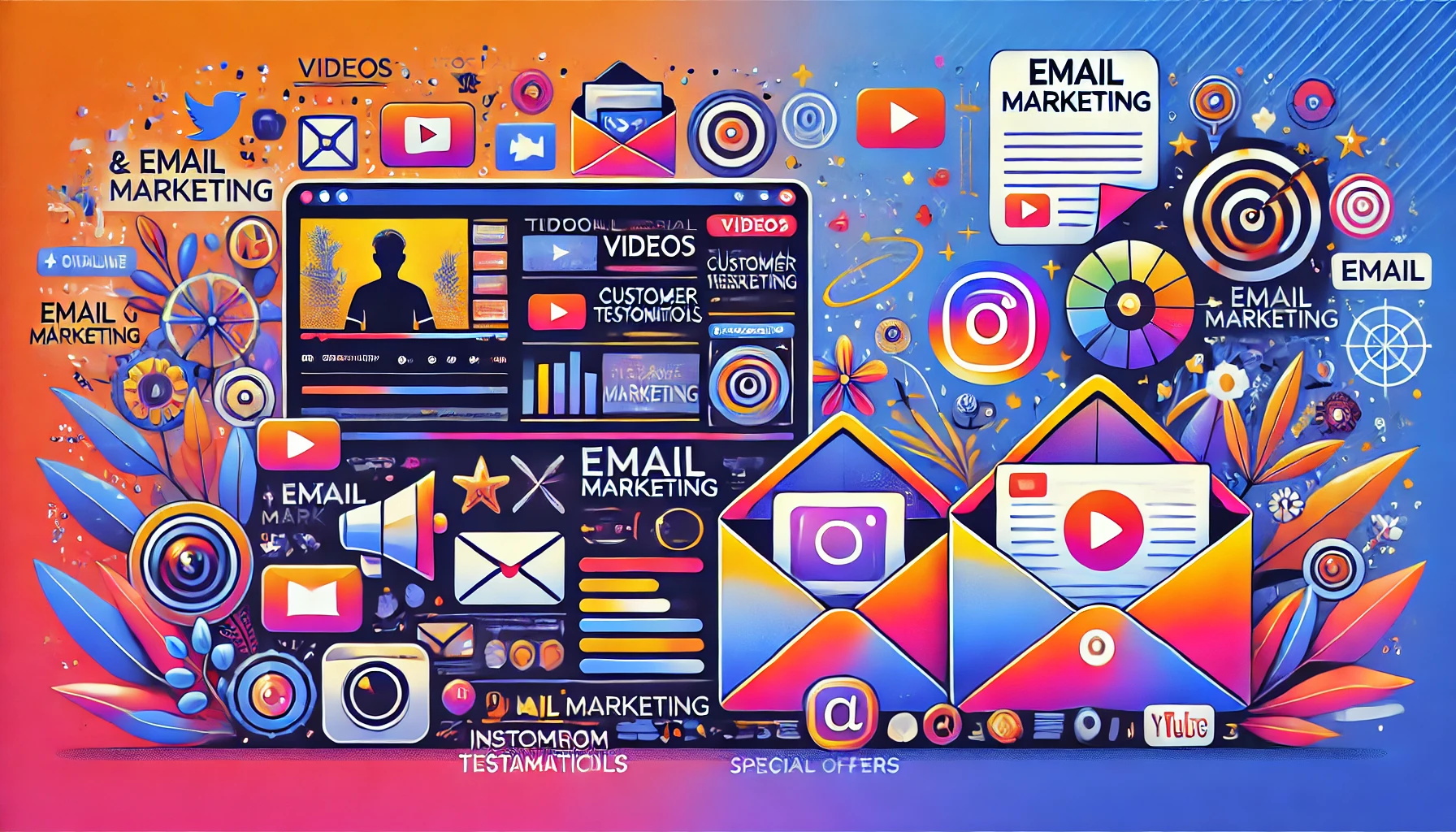
Videos are another powerful medium for online promotion. Tutorial videos, customer testimonials, and entertaining short-form content, such as Instagram Reels or YouTube Shorts, are highly effective in building trust and grabbing attention. Similarly, email marketing campaigns allow brands to engage with their audience on a more personalized level. Regular newsletters, special offers, and targeted campaigns help build relationships and encourage repeat purchases.
%20Infographics%20-%20a%20vibrant%2C%20colorful%20chart%20or%20graph.webp?alt=media&token=40b5b909-580f-4460-bd05-6a895063327a)
Infographics are an excellent way to present data, processes, or tips in a visually appealing format. These can be shared across blogs and social media to increase audience engagement. Additionally, brands can benefit from user-generated content (UGC) by encouraging customers to share their experiences and reposting this content on official channels. Webinars and live streams also provide unique opportunities to engage directly with audiences through Q&A sessions, product launches, or expert discussions.
%20E-books%20and%20Whitepapers%20-%20depicted%20as%20open%20digital%20boo.webp?alt=media&token=cce03e45-7d16-4f2e-806f-7612635a95a1)
For in-depth content, brands can create e-books and whitepapers. These resources establish authority in the niche and can be offered as free downloads to grow email lists. However, regardless of the format, all content must adhere to key principles: consistency in posting, storytelling to connect emotionally with audiences, authenticity to build trust, visual appeal to attract attention, and clear call-to-actions (CTAs) to drive conversions.
%20Audience%20Understanding%20-%20represented%20by%20a%20magnifyi.webp?alt=media&token=a1bcb859-a01b-47b1-b42c-10789748ed7d)
Planning and publishing content strategically is vital for success. Brands must understand their audience’s preferences, use tools like Canva for designing and Grammarly for proofreading, and rely on platforms like Hootsuite for scheduling. Regular performance tracking through analytics helps refine the strategy and ensure better results. In conclusion, effective online brand promotion requires a mix of diverse content formats and a deep understanding of the target audience. By maintaining authenticity, visual appeal, and consistency, brands can create meaningful connections and drive lasting growth in the digital space. Experimenting with different approaches will help identify what resonates best with the audience, paving the way for long-term success.